Some nights leave a mark on the next day. Breakfast feels rushed before it begins. Another cup of coffee seems like the only sensible idea. A small question lands harder than it should.
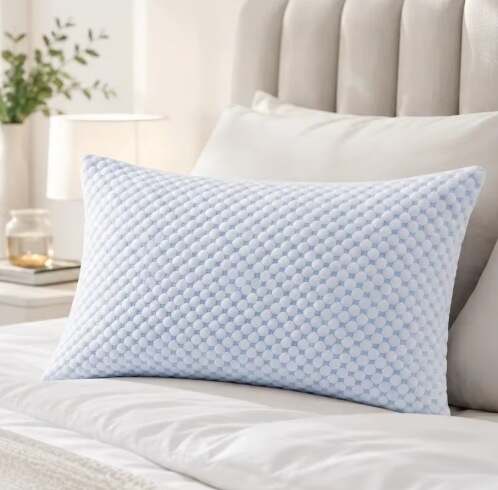
This is why Menopillo focuses on one thing: Cooling comfort for warmer menopause nights. We’ll explore why rest matters, and how a complete pillow can fit into a more comfortable bedtime setup, without presenting it as a cure for menopause or poor sleep.
It isn’t always over when the night ends.
The NHS explains that difficulty getting to sleep or staying asleep can affect daily life and make people feel irritable, stressed or anxious. Night sweats can make sleep problems worse. NHS: menopause symptoms ↗
Problems with memory or concentration can also feel worse when sleep is poor and tiredness builds up. That connection matters, but it doesn’t mean every difficult day has one cause, or that a pillow can resolve it. NHS guidance ↗
The coffee can become part of the pattern.
After a broken night, reaching for the kettle is understandable. But when the next cup moves later into the afternoon, it may be worth noticing what happens at bedtime.
Cambridge University Hospitals advises being mindful of caffeine and alcohol because they can negatively affect sleep quality. It also suggests a regular bedtime and a comfortable, slightly cooler bedroom. CUH: a healthy lifestyle guide ↗
You don’t need to turn your morning coffee into something to feel guilty about. The useful question is gentler: is the routine helping the night ahead, as well as the morning in front of you?
Cooling comfort for warmer menopause nights.
A complete pillow selected with women navigating warmer, restless nights during perimenopause and menopause in mind. Cooling comfort, without an extra device or a complicated bedtime routine.
Meet MenopilloCooling comfort for warmer menopause nights.
Meet the Menopillo Cooling Pillow. One complete pillow, selected with this chapter of life in mind.
Meet MenopilloA shorter fuse is not the whole you.
When someone close to you asks a perfectly ordinary question, a tired evening can make it land differently. That doesn’t make you a bad partner, parent or colleague. It is a reason to make room for a conversation about how you’re feeling.
Menopause symptoms can affect relationships, family life and work, and people experience them differently. Sleep, mood and concentration may overlap rather than sitting in separate boxes. NHS: symptoms and daily life ↗
Try naming the experience without blaming yourself: “I didn’t sleep well, and I’m finding today harder.” It may not change the night, but it can change the conversation.
Start with the whole sleep environment.
It’s tempting to want one fix. A more useful place to begin is the whole setup: a bedroom that feels comfortable, lighter bedding if needed, a consistent routine, and attention to caffeine or alcohol if they seem to disrupt sleep. CUH: sleep advice ↗
That is where bedding belongs: as part of comfort, not as a cure. A pillow won’t correct hormone changes, guarantee uninterrupted sleep or replace care for persistent insomnia.
Where Menopillo fits in.
A complete pillow selected with women navigating warmer, restless nights during perimenopause and menopause in mind. Cooling comfort, without an extra device or a complicated bedtime routine. The promise is about comfort at bedtime, not a guaranteed change to energy, patience or concentration the next day.
We’re preparing our Ireland launch and checking the final specifications. We’ll share the materials, size, care guidance, price and delivery terms before orders open. We won’t turn a seller’s “all night” promise into a proven result without evidence for this specific pillow.
You don’t have to wait until it feels unbearable.
If symptoms are affecting daily life, contact your GP to discuss options. The NHS recommends speaking to a GP when you think you have menopause symptoms and want to understand what support is available. NHS: when to contact your GP ↗
Make room for a little more comfort, and for the right support too. Both can belong in the same conversation.
Commercial content by Menopillo, not independent journalism or medical advice. NHS and CUH resources inform general educational statements; neither organisation endorses Menopillo. No improvement in sleep, mood, concentration or menopause symptoms is guaranteed by this product. This is a pre-launch design preview.